:::
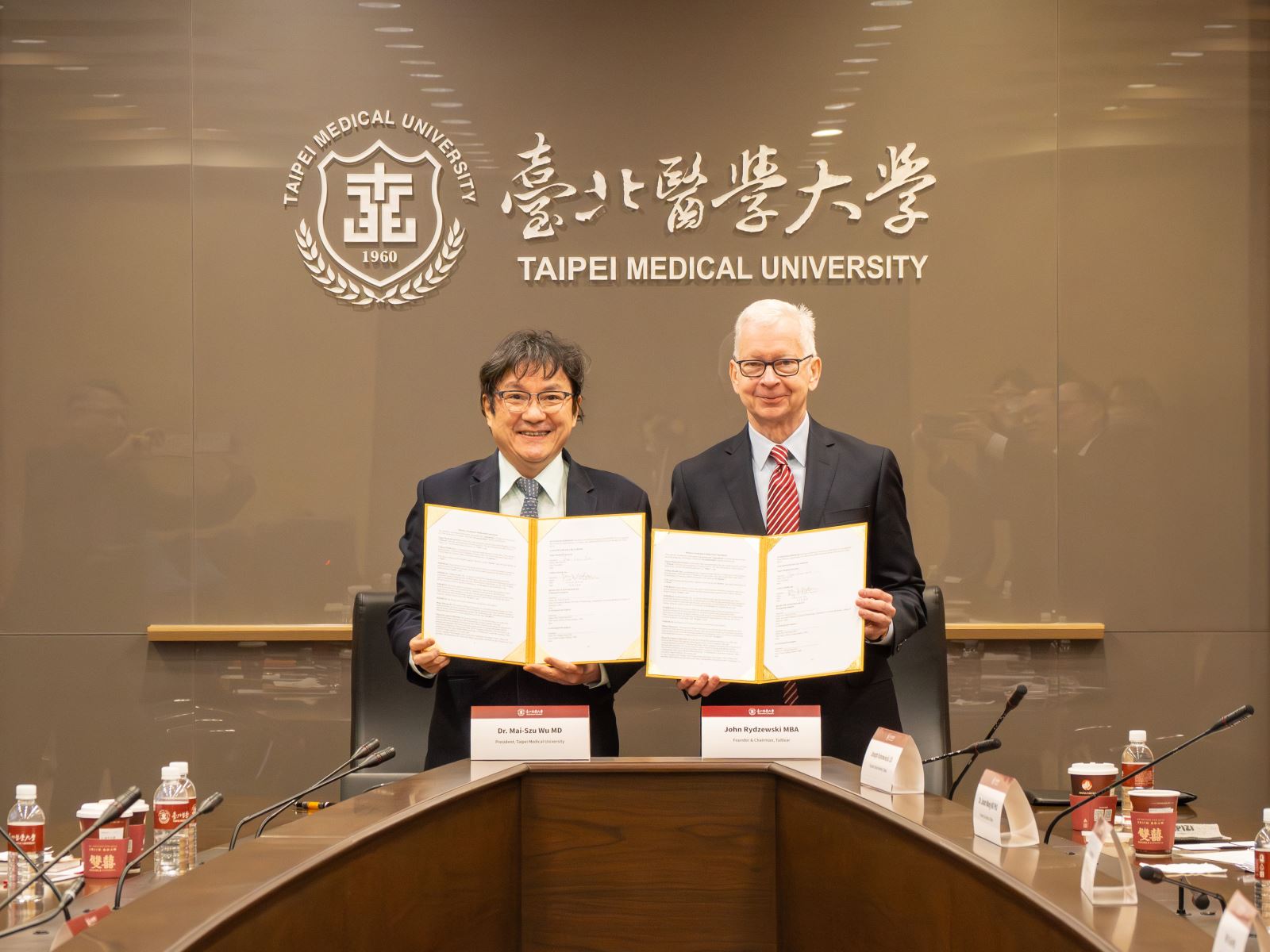
Taipei Medical University President Mai-Szu Wu (left) and John Rydzewski (right), Founder and Chairman of U.S. artificial intelligence company TaiBear, sign an industry–academia cooperation agreement. The collaboration will introduce predictive AI applications in chronic kidney disease care.
TAIPEI, TAIWAN – February 9, 2026 – Taipei Medical University (TMU), a leading medical institution in Asia, and TaiBear Health, Inc., a pioneer in predictive clinical intelligence, today announced a strategic partnership to deploy advanced artificial intelligence (AI) architectures for the early identification and management of "Rapid Progressor" patients with Chronic Kidney Disease (CKD).
This collaboration, formalized ahead of the J.P. Morgan Healthcare Conference in Taipei, combines TMU’s massive longitudinal clinical de-identified datasets and clinical expertise with TaiBear Health’s proprietary AI platform. The initiative aims to equip risk-bearing populations with the precise clinical guidance needed to stabilize patient health and dismantle the compounding financial burden of late-stage disease.
"As both a nephrologist and a University President, I have long advocated for a healthcare ecosystem where data drives proactive care," said Dr. Mai-Szu Wu, President of Taipei Medical University. "Our partnership with TaiBear Health represents the next frontier of this vision. By integrating TaiBear's predictive intelligence with TMU's clinical resources, we are moving beyond traditional diagnostics and advancing to identify high-risk patients before irreversible damage occurs. This is the true promise of smart healthcare: using technology to protect the humanity and quality of life of our patients."
The partnership centers on developing and validating TaiBear’s "Rapid Progressor" CKD predictive models using TMU’s diverse de-identified patient data. This collaboration will accelerate the deployment of precision interventions aimed at mitigating CKD progression.
"We are honored to partner with Taipei Medical University, an institution synonymous with innovation and clinical excellence," said Greer Myers, TaiBear Chief Executive Officer. "We don’t just analyze the data—we own the intelligence that changes the patient trajectory. Together with TMU, we are proving that predictive intelligence can intercept the chaotic progression of CKD and save lives."
About Taipei Medical University (TMU) Taipei Medical University (TMU), was founded on June 1, 1960 in Taipei, Taiwan. Its mission is to cultivate medical professionals with compassion, global perspectives, as well as commitments to serving others. Being one of the largest health care organizations offering top-quality teaching, research, and clinical services in the Taipei metropolitan area, TMU operates 11 colleges, 15 undergraduate schools, and 45 graduate institutes. TMU Health Systems consist of six affiliated hospitals with a collective of 3,000 beds. TMU upholds the core values of "Humanity, Integrity, Innovation, Collaboration, and Service" to improve the quality of teaching, research, and clinical services with the goal of becoming a fully internationalized and top-ranking university.
About TaiBear Health, Inc. TaiBear Health is a New York-headquartered predictive intelligence company dedicated to preempting the chaotic progression of complex chronic diseases. Starting with Chronic Kidney Disease (CKD), the company uses proprietary neural network architectures and massive longitudinal datasets to move healthcare beyond static diagnostics into dynamic forecasting. TaiBear identifies "Rapid Progressors" early in their disease course, equipping risk-bearing entities with the precise guidance needed to stabilize patient health and avert the catastrophic financial toll. TaiBear delivers the intelligence to not just predict, but fundamentally alter the patient trajectory.
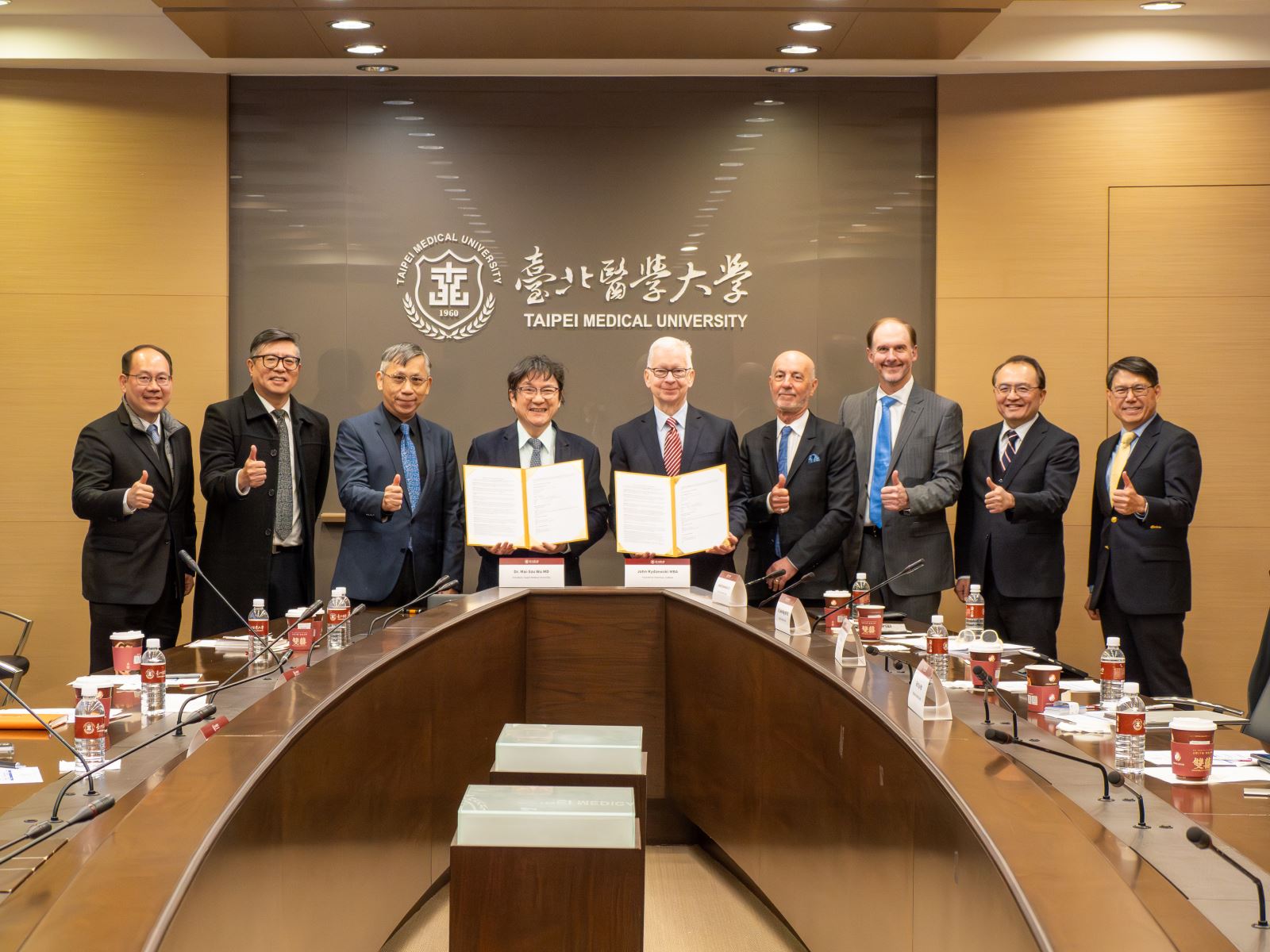
Taipei Medical University and U.S.-based AI company TaiBear pose for a group photo following the signing of an industry–academia cooperation agreement to apply predictive AI to chronic kidney disease care and clinical education.